Skip to main content
Search form
X
Search
Residents
New Resident Resources
Public Safety
Public Works, Sanitation and Utilities
Emergency Preparedness
Social Services
Health and Human Services
Transportation and Motor Vehicles
Parks and Recreation
Government
Budget 2023
District Agencies
Grants and Funding
DC Council
Laws, Regulations and Courts
Open Government
Official Documents and Records
Tickets and Fines
Visitors
Arts and Culture
Media and Communications
Getting Around the District
Sports, Parks and Recreation
History and Tourism
Tours, Travel and Accommodation
Education
District Public Charter Schools
Deputy Mayor for Education
DC Public Schools
District Public Charter School Board
District School Closures
Higher Education
District School Calendars
State Board of Education
District School Profiles
State Superintendent of Education
Jobs
American Job Center
Training and Professional Certification
Appointed Positions
Unemployment Compensation
District Government Jobs
Seniors Employment Service
Job Seeker Resources
Youth Services
Online Services
311 Service Request Online
Feedback, Complaints and Appeals
Data, Demographics and Maps
Media and Communications
Mayor
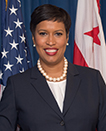
Mayor Muriel Bowser
Mayor Muriel Bowser
Washington, DC
Listen
News Room
Start date
Date
E.g., 04/26/2024
End date
Date
E.g., 04/26/2024
Keyword/terms
Type
- Any -
Advisory
Job Announcement
News
Newsletter
Press Release
Statement
Testimony
Sort by
Date
Title
Order
Asc
Desc
04/25/2024
Mayor Bowser Celebrates the Completion of the Historic MLK Gateway Project and DHCD’s New Headquarters in Ward 8
04/24/2024
Mayor Bowser Celebrates Digital Empowerment Day and DC’s Status as a Top Tech Hub with Donation of 160 Chromebooks to Local Businesses
04/22/2024
Mayor Bowser Launches Pop-Up Permit Program to Activate Vacant Spaces and Bring More People to Downtown DC
04/19/2024
#BeDowntown: Red Bull Showrun & More
04/17/2024
Mayor Bowser Awards $330,000 in Grants to Support Community-Based Gun Violence Prevention Programs
04/12/2024
Modified District Government Services for DC Emancipation Day
04/12/2024
NEW: CameraConnect DC and the AED Incentive Program
04/10/2024
Mayor Bowser to Highlight Efforts to Advance Health Equity at Kaiser Permanente’s Health Action Summit
04/10/2024
Mayor Bowser to Host 2024 DC Emancipation Day Festivities
04/10/2024
Mayor Bowser Announces AED Rebate Program with DC Fire and EMS to Help Increase Cardiac Arrest Survival Rates
Pages
1
2
3
4
5
6
7
8
9
…
next ›
last »
Follow Us on X
Facebook
Mobile
Maps
Webcasts
RSS
Data
Subscribe
More Resources
Sorry, you need to enable JavaScript to visit this website.